From Trade School to the Open Road: What Life Is Really Like After CDL Training

What Is Life Really Like After CDL Training?

Life after CDL training is structured, fast-paced, and full of opportunity. Most graduates move quickly from classroom instruction and yard practice into real-world driving positions. Within weeks of completing training, many new drivers begin working with regional or national carriers.

The transition from trade school to the road involves three major changes:

  • Moving from supervised training to independent responsibility
  • Adjusting to long driving schedules
  • Beginning to earn a consistent income

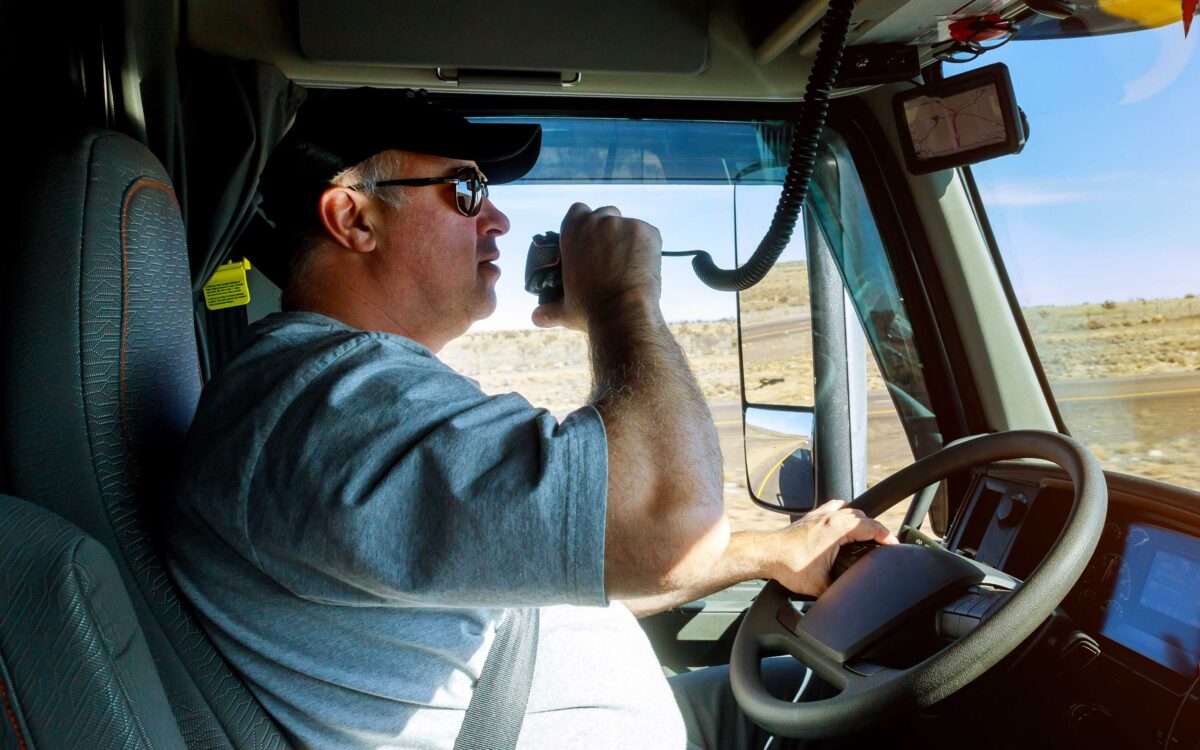
For many students completing CDL programs in Arizona, especially those training at HDS Truck Driving Institute, the biggest difference is the independence. You are no longer practicing maneuvers in a training yard. You are transporting real freight, managing schedules, and representing your employer on the road.

How Soon Can You Start Working After CDL School?

Most graduates begin applying for jobs during their final weeks of training. Schools that offer job placement assistance often connect students with hiring carriers before graduation.

Because commercial driving remains a high-demand field, many new drivers receive job offers quickly. Some start with:

  • Regional routes that keep them within a few states
  • Over-the-road positions that involve multi-day trips
  • Local delivery roles depending on availability and experience

Your first position may not be your long-term career path, but it provides valuable experience that opens doors to higher-paying opportunities.

How Much Can You Earn After CDL Training in Arizona?

One of the most common questions is, “What salary can I expect after CDL school?”

Entry-level CDL drivers in Arizona can earn competitive starting wages. Pay varies based on route type, endorsements, and employer structure. Drivers who obtain endorsements such as tanker or HazMat often increase their earning potential.

Income typically depends on:

  • Miles driven
  • Route type
  • Freight category
  • Experience level

As experience builds, drivers often move into specialized routes or higher-paying positions. Many see steady income growth within the first year.

What Does a Typical Day Look Like for a New CDL Driver?

Daily life depends on your route type.

Local Drivers

Local drivers usually operate within a set region and may return home each evening. Schedules can include early mornings and structured delivery windows.

Regional Drivers

Regional drivers spend several days on the road and may return home weekly.

Over-the-Road Drivers

OTR drivers travel across multiple states and may spend extended time on the road. This option often offers higher mileage pay and travel opportunities.

Regardless of route type, daily responsibilities include:

  • Conducting pre-trip and post-trip inspections
  • Managing delivery schedules
  • Communicating with dispatch
  • Following DOT regulations
  • Prioritizing safety

Is Life on the Road Difficult?

Adjusting to professional driving takes discipline. The lifestyle requires time management, focus, and adaptability. However, many drivers value:

  • Independence
  • Career stability
  • Travel opportunities
  • Clear earning structure

For individuals who prefer hands-on work and structured responsibility, a CDL driver career in Arizona can provide long-term stability.

What Challenges Should New CDL Drivers Expect?

Being prepared for challenges improves long-term success.

New drivers may need to adjust to:

  • Long hours of focused driving
  • Weather conditions
  • Traffic in unfamiliar areas
  • Time away from home

Strong training programs prepare students not only to pass the CDL exam but to handle real-world driving conditions safely and confidently.

How Does CDL Training Prepare You for Real-World Driving?

Quality CDL programs combine classroom education with practical driving experience. Students learn:

  • Federal safety regulations
  • Defensive driving techniques
  • Vehicle inspection procedures
  • Backing and maneuvering skills
  • Trip planning and route management

By the time students graduate, they understand both the technical and professional responsibilities of commercial driving.

What Career Growth Is Possible After CDL School?

A CDL is not just a license. It is a career foundation.

Drivers can advance into:

  • Specialized freight roles
  • Trainer or mentor positions
  • Owner-operator opportunities
  • Fleet management
  • Logistics and dispatch roles

With experience, certifications, and a clean driving record, earning potential and job flexibility increase significantly.

Is CDL Training Worth It Long Term?

For many graduates, the return on investment becomes clear within months of employment. Compared to four-year degree programs, CDL training is shorter, more affordable, and leads directly into a high-demand career.

If you are considering a transition into trucking and want to understand what to expect after CDL school, contact us to learn more about training programs, job placement assistance, and enrollment steps.

Frequently Asked Questions

What is life after CDL training really like?

Life after CDL training involves transitioning into a professional driving role with structured schedules, safety responsibilities, and steady income opportunities.

How quickly can I get hired after CDL school?

Many graduates receive job offers within weeks of completing training, especially in high-demand regions.

Can I be home every night as a CDL driver?

Yes, local routes often allow drivers to return home daily, though availability depends on employer needs and experience.

Is truck driving stressful for beginners?

There is an adjustment period, but strong training and mentorship programs help new drivers build confidence and skill.

How long does it take to increase pay after CDL training?

Many drivers see income growth within their first year as they gain experience and qualify for higher-paying routes.


Is Truck Driving School Worth It? Arizona Career Guide for Trade Students

Choosing a career path after high school or a career change can feel overwhelming, especially when weighing time, cost, and long-term stability. For many Arizona residents, truck driving school offers a faster and more practical alternative to traditional college. But is truck driving school actually worth it?

This guide explains what truck driving school involves, the benefits and drawbacks, earning potential, and whether it makes sense for trade school students in Arizona.

What is a truck driving school, and what do you learn?

Truck driving school is a short-term vocational program designed to prepare students to earn a Commercial Driver’s License (CDL). Most programs focus on real-world driving skills rather than academic coursework.

Students typically learn:

  • Federal and state CDL regulations
  • Vehicle inspection and safety procedures
  • Yard skills like backing, coupling, and maneuvering
  • On-road driving in city and highway environments
  • Preparation for the CDL knowledge and skills tests

Many Arizona programs offer Class A and Class B CDL training, allowing graduates to qualify for local, regional, or over-the-road driving jobs depending on their goals.

How long does truck driving school take in Arizona?

One of the biggest advantages of a truck driving school is speed.

Most CDL programs in Arizona can be completed in as little as four to six weeks. Accelerated programs often include full-day training, while flexible schedules may offer evening or weekend classes for students who are working.

Compared to two- or four-year degrees, truck driving school allows students to enter the workforce much faster and begin earning income sooner.

How much can truck drivers earn after graduating?

Truck driving pay varies based on experience, route type, endorsements, and employer, but it is often higher than many entry-level trade jobs.

New CDL drivers may start with competitive wages, and income can increase with:

  • Over-the-road routes
  • Hazmat or tanker endorsements
  • Long-haul or specialized freight
  • Company longevity and safe driving records

For Arizona trade school students looking for a career with growth potential and steady demand, trucking offers a clear path to higher earnings without years of schooling.

Is truck driving a good career for trade school students?

Truck driving aligns well with the goals of many trade school students.

It is especially suitable for people who:

  • Prefer hands-on, skill-based work
  • Want to avoid long-term student debt
  • Are comfortable with responsibility and independence
  • Value job availability across industries

Unlike some trades that rely on local construction cycles, truck drivers are needed nationwide across retail, agriculture, manufacturing, and logistics. This makes trucking a resilient career option during economic shifts.

What are the pros and cons of truck driving school?

Benefits

  • Short training timeline
  • Lower cost than traditional college
  • High demand for licensed drivers
  • Multiple career paths and endorsements
  • Opportunities for travel or local work

Considerations

  • Long hours depending on route type
  • Time away from home for some driving jobs
  • Physical and mental demands of driving

Understanding these factors helps students decide whether trucking fits their lifestyle and long-term goals.

Is financial aid available for truck driving school?

Many CDL schools offer financial assistance options, which can make training more accessible.

Depending on eligibility, students may qualify for:

  • Workforce grants
  • Tuition assistance programs
  • Employer sponsorships
  • Payment plans

For Arizona students who want career training without taking on large loans, these options can significantly reduce out-of-pocket costs.

Is truck driving school worth it compared to other trade programs?

For students exploring career-focused training options, HDS Truck Driving Institute is a helpful starting point to understand how CDL education compares to other trade programs in Arizona. Truck driving school is often worth it for students who prioritize speed, employability, and income potential, especially when compared to longer vocational or technical programs.

Compared to many traditional trade paths, CDL training offers:

  • Faster entry into the workforce
  • Nationwide job opportunities across multiple industries
  • A clearly defined licensing and testing process
  • Career advancement through experience, endorsements, and route selection

While truck driving is not the right fit for everyone, it remains one of the most direct paths to a stable, in-demand career for Arizona trade school students. If you are considering CDL training and want to understand whether it aligns with your goals, contact us to speak with a knowledgeable admissions team and get personalized guidance on next steps.

Frequently Asked Questions

How old do you have to be to attend truck driving school in Arizona?

Most students must be at least 18 for intrastate driving and 21 for interstate driving.

Do I need prior driving experience before CDL school?

No. CDL programs are designed for beginners and start with foundational driving skills.

Is truck driving physically demanding?

It can be, but modern equipment and proper training help reduce strain. Physical demands vary by job type.

Can truck drivers find local jobs in Arizona?

Yes. Many CDL graduates work local or regional routes, especially with Class B licenses or specific endorsements.

How soon can I get a job after CDL school?

Many students secure job offers shortly before or soon after graduation, depending on hiring conditions and endorsements.