How to Afford CDL School: Grants, Tuition Assistance, GI Bill®, and Financing Options

Paying for CDL school is one of the biggest concerns for people who want to start a truck driving career. Many prospective students delay training because they assume the cost is out of reach. In reality, there are multiple ways to afford CDL school, including grants, tuition assistance, veteran benefits, and flexible financing options.

This guide explains how to afford CDL school, what types of financial help are available, and how students can reduce upfront costs while preparing for a stable, in-demand career.

What does CDL school typically cost, and why is it worth it?

Earning your commercial driver’s license through a school like HDS Truck Driving Institute means structured classroom, yard, and on-the-road training that prepares you for a real trucking career, often in as little as four weeks. HDS Truck Driving Institute

While tuition may seem significant upfront, financial aid and assistance programs are available to qualified students, making the investment far more manageable.

What grants can help you pay for CDL school?

Grants are funds you do not repay, which makes them one of the most affordable forms of financial assistance. At HDS, the school works with agencies like Arizona@WORK, MYCAA, and the Arizona Department of Economic Security Rehabilitation Services to help qualified students secure grant money for training. HDS Truck Driving Institute

To start exploring grant options, students typically complete the Free Application for Federal Student Aid (FAFSA) and meet with a financial aid advisor at HDS to see which grants might apply. HDS Truck Driving Institute

Explore all funding options and eligibility on the Financial Aid page. HDS Truck Driving Institute

How does tuition assistance work for CDL training?

Tuition assistance is another great option that helps cover part or all of your training costs. Assistance programs may be available through workforce agencies, military spouse programs like MYCAA, or partnerships with employers interested in hiring new CDL graduates.

Through these programs, you might receive:

  • Partial or full coverage of tuition
  • Reimbursement after employment
  • Support coordinating with local funding agencies

HDS helps students navigate these options and apply for any assistance they qualify for. HDS Truck Driving Institute

Learn more about how financial aid works by visiting Financial Aid. HDS Truck Driving Institute

Can veterans use the GI Bill® to pay for CDL school?

Yes. Veterans and eligible service members can use GI Bill® benefits to help cover the cost of CDL training at HDS. The financial aid team works with veterans to maximize the use of their benefits, including the GI Bill® and Vocational Rehabilitation. HDS Truck Driving Institute

This can make earning your CDL more affordable and help you transition into civilian life with minimal financial burden.

Again, the Financial Aid page is a great place to start learning which veteran benefits you may qualify for. HDS Truck Driving Institute

What financing options are available if you do not qualify for grants?

If grants or veteran benefits are not available, there are still ways to afford CDL school. Many students take advantage of financing to manage tuition rather than paying it all at once.

Common options include:

  • Payment plans through the school
  • Student loans that may include federal loan programs through FAFSA
  • Private education loans for those who qualify

These options spread the cost of CDL school over time so you can begin training without a large upfront payment. Credible

To explore school-based funding options, visit Financial Aid. HDS Truck Driving Institute

Why career support matters for affordability

Affordability is not just about paying for school. It’s also about how quickly training leads to a job. HDS offers career planning and job placement assistance to help students find trucking jobs as soon as possible, often while they are still in training. HDS Truck Driving Institute

This support improves your return on investment and makes the overall process of affording CDL school more practical and meaningful.

How to choose the best payment option for your situation

Before enrolling, consider:

  • Which grants or financial aid might qualify for
  • Whether you can use veteran benefits like the GI Bill®
  • What financing or payment plans are available
  • How job placement support will help you start earning sooner

Contact one of the admissions advisors through the Contact page to get personalized guidance on paying for CDL school. HDS Truck Driving Institute

FAQs

Can I use FAFSA to help pay for CDL training?
Yes. For eligible programs like those at HDS, you can use FAFSA to qualify for federal grants and student loans. HDS Truck Driving Institute

Does HDS accept GI Bill® benefits?
Yes. HDS is approved to work with GI Bill® benefits for qualified veterans. HDS Truck Driving Institute

Are there scholarships available?
Grants and funding programs at HDS act like scholarships for qualifying students, reducing or eliminating your out-of-pocket tuition costs. HDS Truck Driving Institute

What if I cannot pay tuition upfront?
Explore school payment plans, federal loans through FAFSA, and other financing options to spread costs over time. Credible

Does job placement help make paying for school easier?
Yes. Earning your CDL and securing a job quickly improves your ability to repay any financing and start earning income. HDS supports career planning throughout training.

Is Truck Driving School Worth It? Arizona Career Guide for Trade Students

Choosing a career path after high school or a career change can feel overwhelming, especially when weighing time, cost, and long-term stability. For many Arizona residents, truck driving school offers a faster and more practical alternative to traditional college. But is truck driving school actually worth it?

This guide explains what truck driving school involves, the benefits and drawbacks, earning potential, and whether it makes sense for trade school students in Arizona.

What is a truck driving school, and what do you learn?

Truck driving school is a short-term vocational program designed to prepare students to earn a Commercial Driver’s License (CDL). Most programs focus on real-world driving skills rather than academic coursework.

Students typically learn:

  • Federal and state CDL regulations
  • Vehicle inspection and safety procedures
  • Yard skills like backing, coupling, and maneuvering
  • On-road driving in city and highway environments
  • Preparation for the CDL knowledge and skills tests

Many Arizona programs offer Class A and Class B CDL training, allowing graduates to qualify for local, regional, or over-the-road driving jobs depending on their goals.

How long does truck driving school take in Arizona?

One of the biggest advantages of a truck driving school is speed.

Most CDL programs in Arizona can be completed in as little as four to six weeks. Accelerated programs often include full-day training, while flexible schedules may offer evening or weekend classes for students who are working.

Compared to two- or four-year degrees, truck driving school allows students to enter the workforce much faster and begin earning income sooner.

How much can truck drivers earn after graduating?

Truck driving pay varies based on experience, route type, endorsements, and employer, but it is often higher than many entry-level trade jobs.

New CDL drivers may start with competitive wages, and income can increase with:

  • Over-the-road routes
  • Hazmat or tanker endorsements
  • Long-haul or specialized freight
  • Company longevity and safe driving records

For Arizona trade school students looking for a career with growth potential and steady demand, trucking offers a clear path to higher earnings without years of schooling.

Is truck driving a good career for trade school students?

Truck driving aligns well with the goals of many trade school students.

It is especially suitable for people who:

  • Prefer hands-on, skill-based work
  • Want to avoid long-term student debt
  • Are comfortable with responsibility and independence
  • Value job availability across industries

Unlike some trades that rely on local construction cycles, truck drivers are needed nationwide across retail, agriculture, manufacturing, and logistics. This makes trucking a resilient career option during economic shifts.

What are the pros and cons of truck driving school?

Benefits

  • Short training timeline
  • Lower cost than traditional college
  • High demand for licensed drivers
  • Multiple career paths and endorsements
  • Opportunities for travel or local work

Considerations

  • Long hours depending on route type
  • Time away from home for some driving jobs
  • Physical and mental demands of driving

Understanding these factors helps students decide whether trucking fits their lifestyle and long-term goals.

Is financial aid available for truck driving school?

Many CDL schools offer financial assistance options, which can make training more accessible.

Depending on eligibility, students may qualify for:

  • Workforce grants
  • Tuition assistance programs
  • Employer sponsorships
  • Payment plans

For Arizona students who want career training without taking on large loans, these options can significantly reduce out-of-pocket costs.

Is truck driving school worth it compared to other trade programs?

For students exploring career-focused training options, HDS Truck Driving Institute is a helpful starting point to understand how CDL education compares to other trade programs in Arizona. Truck driving school is often worth it for students who prioritize speed, employability, and income potential, especially when compared to longer vocational or technical programs.

Compared to many traditional trade paths, CDL training offers:

  • Faster entry into the workforce
  • Nationwide job opportunities across multiple industries
  • A clearly defined licensing and testing process
  • Career advancement through experience, endorsements, and route selection

While truck driving is not the right fit for everyone, it remains one of the most direct paths to a stable, in-demand career for Arizona trade school students. If you are considering CDL training and want to understand whether it aligns with your goals, contact us to speak with a knowledgeable admissions team and get personalized guidance on next steps.

Frequently Asked Questions

How old do you have to be to attend truck driving school in Arizona?

Most students must be at least 18 for intrastate driving and 21 for interstate driving.

Do I need prior driving experience before CDL school?

No. CDL programs are designed for beginners and start with foundational driving skills.

Is truck driving physically demanding?

It can be, but modern equipment and proper training help reduce strain. Physical demands vary by job type.

Can truck drivers find local jobs in Arizona?

Yes. Many CDL graduates work local or regional routes, especially with Class B licenses or specific endorsements.

How soon can I get a job after CDL school?

Many students secure job offers shortly before or soon after graduation, depending on hiring conditions and endorsements.

How Trucking Schools Help You Pass the CDL Skills Test on the First Try

Passing the CDL skills test on your first attempt can be stressful and overwhelming. The test evaluates whether a driver can safely operate a commercial vehicle in realistic conditions and includes a pre-trip inspection, backing maneuvers, and on-road evaluation. Attending a structured program like the CDL training programs at HDS Truck Driving Institute ensures you become proficient in the required skills necessary to pass the three-part CDL test and dramatically increases your chances of passing on the first try.

What is the CDL skills test, and why is it challenging?

The CDL skills test is the practical portion of earning your commercial driver’s license. It includes:

  • Pre-trip vehicle inspection
  • Basic vehicle control
  • On-road driving

Because each segment has strict scoring rules, even small mistakes can lead to a failed attempt. Structured training helps you know what to expect and how to perform it confidently.

How training programs prepare you for the pre-trip inspection

The pre-trip inspection requires you to identify and explain vehicle components correctly while demonstrating safety awareness. At HDS, your training includes classroom instruction and hands-on practice so you know exactly what examiners expect. This reduces uncertainty and builds confidence before test day.

Why yard training builds accuracy for backing maneuvers

Backing is one of the trickiest parts of the CDL skills test because it requires precision and spatial awareness. Trucking schools:

  • Guide you through standard backing patterns
  • Provide repeated practice sessions
  • Offer expert feedback to correct technique

With structured yard training, you develop muscle memory and control, two things that most test-day failures are caused by.

How instructors help you manage stress and errors

Even well-prepared students can lose focus under pressure. Professional instructors at HDS help by:

  • Explaining test expectations clearly
  • Simulating real test conditions with mock exams
  • Providing calm corrections to build confidence

Knowing what to do and how to recover from mistakes improves performance on test day.

How on-road training translates to real test success

The road test evaluates safe driving habits, situational awareness, and adherence to traffic rules. HDS students train in diverse road environments, learning:

  • Defensive driving techniques
  • Proper gear shifting and vehicle control
  • Real traffic maneuvering with instructor feedback

This preparation ensures you’re ready for any situation the test throws at you.

Beyond the CDL skills test: career support that matters

Passing the skills test is just one milestone. As you finish training, you may be considering job options. HDS offers career planning and job placement support, so many students begin interviewing or receive offers before graduation.

This support is valuable whether you’re interested in:

  • Local routes
  • Regional driving
  • Over-the-road (OTR) opportunities

Financial support while you train

Earning your CDL is an investment in your future. If cost is a concern, you can explore Financial Aid options through HDS. Financial resources can help make training more accessible and reduce stress while you focus on mastering the skills test.

Next steps when you’re ready

If you’re serious about maximizing your chances of passing the CDL skills test on the first try, start with details about the training programs that fit your schedule and goals, contact us, or call to speak directly with an admissions advisor.

FAQs

How many times can you take the CDL skills test?
Most states allow multiple attempts, but waiting periods can delay your licensing timeline.

Is a truck driving school required to take the skills test?
No, but formal training increases your chances of passing and helps prepare you for safe driving on the job.

Which part of the test causes the most failures?
Many students struggle most with the backing maneuvers and pre-trip inspection without prior structured practice.

Can I get help if I failed the skills test before?
Yes. A professional program can retrain you in weak areas and build your confidence before re-testing.

How soon can I be ready for the skills test?
With full-time training, many students are ready to test within four weeks in an accelerated program.

CDL School for Military Veterans in Tucson: Why Trucking Is a Top Career Transition

Transitioning out of the military is a major life change, and many veterans look for careers that match their discipline, structure, and mission-focused mindset. Trucking is one of the best post-service career paths because it offers stability, strong demand, national hiring opportunities, and access to GI Bill benefits that make CDL school more affordable. In Tucson, HDS Truck Driving Institute provides veteran-friendly CDL training that helps service members step confidently into a new chapter.

Why is trucking an ideal career path for military veterans?

Veterans often succeed in trucking because the industry values reliability, safety, and accountability. The skills gained in the military align closely with what transportation companies seek in professional drivers. Veterans are trained to follow procedures, stay calm under pressure, and adapt to changing environments. These strengths help them excel on the road.

Trucking also provides long-term career stability. Freight demand remains high across Arizona and the Southwest. Veterans who earn their CDL can choose from local, regional, and long-haul routes that fit their lifestyle preferences.

How does CDL training help veterans transition into civilian careers?

CDL training gives veterans a clear, structured pathway into a civilian job that offers immediate opportunities. HDS Truck Driving Institute provides a combination of classroom instruction, hands-on yard skills, and real road experience to prepare students for success.

Veterans appreciate:

  • A predictable training timeline
  • A skill set that leads directly to employment
  • A structured environment that mirrors the organization of military life

With nationally accredited training programs, veterans can earn a Class A or Class B CDL and start applying for positions soon after program completion.

What GI Bill benefits can veterans use for CDL school?

Qualified veterans may use GI Bill benefits to cover tuition and training costs. Many veterans choose trucking because it offers a fast and affordable way to enter a high-demand career without the burden of long-term education expenses.

GI Bill benefits often cover:

  • CDL tuition
  • Training materials
  • Testing fees in some cases

HDS Truck Driving Institute helps veterans understand their benefit options and guides them through the enrollment process.

What types of truck driving jobs are available for veterans in Tucson?

Veterans have access to a wide range of CDL careers. Tucson and the surrounding region rely on transportation networks that support distribution centers, military facilities, fuel transport, and agricultural supply chains. This increases job availability for newly trained drivers.

Veterans can pursue positions such as:

  • Regional and OTR trucking
  • Local delivery routes
  • Fuel and tanker operations
  • Hazmat transport (with endorsement)
  • Dedicated fleet and contract routes

Many companies even prefer hiring veterans due to their proven responsibility and safety mindset.

How does HDS Truck Driving Institute support veterans throughout training?

HDS Truck Driving Institute in Tucson provides a supportive environment designed to help veterans transition smoothly into the trucking industry. The school offers guidance with GI Bill benefits, career planning support, and training schedules that accommodate different lifestyles. Veterans receive help preparing for written exams, improving driving skills, and understanding employer expectations.

If you are ready to start training, call (877) 205-2141 or contact the team directly.

With day, evening, and weekend classes, HDS helps veterans gain the training needed to launch a civilian career with confidence.

FAQs

Can military veterans use the GI Bill for CDL training?

Yes. Many veterans use GI Bill benefits to cover most or all costs associated with attending a CDL program.

Why do trucking companies prefer hiring veterans?

Veterans bring discipline, safety awareness, accountability, and strong problem-solving skills, which are essential in professional driving.

How long does CDL training take for veterans in Tucson?

Training at HDS Truck Driving Institute can be completed in as little as four weeks, depending on the program.

Are there local CDL jobs available for veterans?

Yes. Tucson has ca onsistent demand for local, regional, and long-haul drivers due to strong transportation and distribution networks.

Does HDS help veterans find jobs after graduation?

Yes. The career services team assists with job placement, and many students receive offers before completing the program.

Benefits of CDL Endorsements in Arizona

Earning CDL endorsements is one of the fastest ways for new and experienced drivers to expand their job opportunities and increase their earning potential. In Arizona, drivers who pursue endorsements like Hazmat, tanker, and doubles or triples gain access to specialized roles that often come with higher pay, safer freight lanes, and long-term career stability. At HDS Truck Driving Institute, students are trained to qualify for these endorsements and confidently meet employer expectations right after graduation.

Why should CDL students in Arizona consider getting endorsements?

Endorsements signal advanced training and responsibility, which makes drivers more competitive in the job market. Arizona employers in logistics, fuel transport, agricultural hauling, and regional distribution actively look for endorsement-ready drivers. This helps new CDL holders secure positions faster and qualify for a wider range of routes, including local and regional options that offer predictable schedules.

Endorsements also set a driver apart during hiring. Many companies prefer or require tankers, doubles or triples, or Hazmat certification because these loads demand higher skill and attention.

What are the benefits of earning a Hazmat endorsement?

A Hazmat endorsement allows drivers to haul hazardous materials like chemicals, gases, and flammable liquids. These loads require additional training and background checks, which is why they pay more.

Key advantages include:

  • Access to high-demand freight across Arizona and the Southwest
  • Higher average pay due to increased responsibility
  • More consistent year-round work
  • Priority hiring from carriers that specialize in fuel or chemical transport

Arizona is home to several major distribution hubs, making Hazmat drivers especially valuable for local and regional fleets.

Why is a tanker endorsement valuable for Arizona drivers?

A tanker endorsement opens the door to transporting liquids such as milk, fuel, water, and other bulk materials. This is ideal for drivers who want steady work, since tank loads are essential for industries that operate every season.

Benefits include:

  • Higher earning potential
  • Approval to haul a broader range of freight
  • Strong job availability with fuel companies and agricultural suppliers
  • Frequent local and regional routes

Many Arizona trucking companies rely on tanker-endorsed drivers to serve fuel stations, farms, and industrial facilities across the state. 

How do doubles and triples endorsements help new CDL drivers?

Doubles and triple endorsements qualify drivers to haul multiple trailers. These loads are common for large freight companies, especially those operating long regional or overnight routes.

Advantages include:

  • More hiring options at major LTL carriers
  • Increased pay due to trailer handling skills
  • Training in a specialized area that employers value
  • Access to dedicated and predictable routes

Drivers who hold this endorsement often enjoy smoother career growth and faster promotions.

How does HDS Truck Driving Institute help students qualify for CDL endorsements?

HDS Truck Driving Institute in Tucson prepares students for endorsement success through classroom instruction, study support, and practice testing. Students receive guidance on how to apply for their written exams, complete required background checks, and understand federal safety rules. If you are ready to begin your training, you can reach the team directly at (877) 205-2141 or Contact our page.

With day, evening, and weekend training options, HDS helps future drivers build the skills needed to earn endorsements and secure job offers early, often before graduation.

FAQs

What CDL endorsements are easiest to start with?

Most new drivers begin with tankers and doubles or triples because they only require written tests. Hazmat involves fingerprinting and a TSA background check.

Do endorsements increase truck driver pay?

Yes. Endorsed drivers often earn more because they handle specialized freight that requires higher skill and responsibility.

Can I get a job faster if I have CDL endorsements?

Many Arizona employers prioritize hiring drivers with endorsements, especially for fuel, chemical, and LTL freight.

How long does it take to get a Hazmat endorsement?

The process varies but typically includes a written test, background check, and fingerprinting. Many drivers complete everything within a few weeks.

Does HDS Truck Driving Institute help with endorsement training?

Yes. HDS provides study support, test preparation, and guidance to help students earn the endorsements they need for strong career opportunities.

How Seasonal Changes in Arizona Impact Truck Drivers

Arizona is known for its deserts, mountains, and open highways. For truck drivers, this variety of landscapes creates different challenges depending on the season. From blazing summer heat to sudden winter storms in higher elevations, understanding how seasonal changes in Arizona impact truck drivers is essential for safety and success on the road. Whether you’re new to trucking or working toward your CDL, knowing what to expect can help you stay prepared year-round.

Why Does Arizona’s Climate Matter for Truck Drivers?

Unlike many states, Arizona’s weather doesn’t follow one predictable pattern. Temperatures can swing dramatically between northern mountain regions and southern deserts. A driver traveling from Tucson to Flagstaff can go from 80°F sunshine to icy conditions in a single trip. These sudden changes affect driving safety, vehicle performance, and even driver health.

For truck drivers, being aware of seasonal shifts isn’t just about comfort—it’s about staying on schedule and protecting your cargo. Adapting to Arizona’s climate makes the difference between a smooth run and unexpected delays.

What Challenges Do Summer Months Bring?

Arizona summers are famous for extreme heat, and this creates several concerns for truckers:

  • Vehicle Stress: Engines and tires are more likely to overheat when temperatures climb above 100°F. Drivers must stay vigilant about maintenance checks.
  • Driver Health: Heat exhaustion and dehydration can set in quickly, especially for long-haul drivers. Staying hydrated and planning rest stops are key safety steps.
  • Dust Storms: Known locally as “haboobs,” these sudden storms can drop visibility to near zero, making defensive driving skills vital.

How Do Winter Conditions Affect Truck Drivers in Arizona?

While southern Arizona rarely sees snow, the northern part of the state tells a different story. Truckers who travel through areas like Flagstaff or along I-40 must prepare for icy roads and heavy snowfall. Even if you start in warm Tucson, you may face winter weather within hours.

Slippery roads increase the risk of accidents, so drivers must adapt by reducing speed and increasing following distance. Cold weather can also affect braking systems and battery performance, adding extra layers of responsibility for truck drivers in Arizona’s winter months.

What About Spring and Fall Transitions?

Seasonal transitions in Arizona often bring high winds, thunderstorms, and fluctuating temperatures. For truck drivers, strong crosswinds can push trailers off balance, while sudden rainstorms create slick highways. Fall often means shorter daylight hours, making visibility an important factor in route planning.

Although these seasons are milder compared to summer and winter extremes, they still require awareness and flexibility to ensure safe driving.

How Can Truck Drivers Stay Prepared Year-Round?

The best way to handle Arizona’s seasonal changes is preparation. Truck drivers should:

  1. Perform regular vehicle inspections, especially before long hauls.
  2. Keep emergency supplies such as water, blankets, and non-perishable food in the cab.
  3. Monitor weather reports along routes to avoid unexpected hazards.
  4. Maintain personal health by balancing rest, hydration, and proper nutrition.

Staying prepared not only helps drivers avoid delays but also protects their health and financial well-being by reducing accident risks.

Ready to Start Your Trucking Career in Arizona?

At HDS Truck Driving Institute in Tucson, we understand the challenges Arizona’s seasons can bring to truck drivers. That’s why our CDL training programs prepare you for real-world driving conditions across every season. Whether you want to complete your training in as little as four weeks or prefer a more in-depth program, we’re here to help you succeed. Our Job Placement Coordinator also works with students to connect them to career opportunities after earning their CDL.

Don’t let Arizona’s seasonal changes catch you off guard—train with us and gain the skills to handle the road with confidence. Start your CDL journey with HDS Truck Driving Institute today and build a career that drives your future forward.


Contact us now at (877) 205-2141 to get started.

Frequently Asked Questions

What is the biggest seasonal hazard for Arizona truck drivers?

Summer heat and dust storms create the most frequent risks, but winter snow in the north can also be dangerous.

How do dust storms affect truck drivers?

They can reduce visibility to almost zero, requiring drivers to slow down, pull over safely, and wait until conditions improve.

Do all truck drivers in Arizona face winter weather?

Not always. Drivers in southern Arizona may not see snow, but those who travel statewide often encounter winter road conditions.

Why is hydration so important for Arizona truck drivers?

Dehydration can cause fatigue and reduced focus, both of which increase the risk of accidents.

How does HDS Truck Driving Institute prepare students for Arizona’s climate?

By teaching defensive driving, vehicle maintenance checks, and strategies for handling extreme weather, HDS ensures graduates are ready for all conditions.

How to Pass Your CDL Skills Test on the First Try

Earning a Commercial Driver’s License (CDL) is the first step toward a rewarding career in trucking. While the written test checks your knowledge of rules and safety, the CDL skills test measures your ability to operate a truck safely in real-world situations. For many new drivers, this hands-on exam is the most intimidating part of the process. The test covers three main areas: the pre-trip inspection, basic vehicle control, and the road test. Knowing what to expect and how to prepare can make all the difference between passing on your first try and having to retake the exam.

How Should You Prepare for the Pre-Trip Inspection?

The pre-trip inspection section tests your ability to identify whether a commercial vehicle is safe to drive. Examiners expect you to point out potential issues with brakes, tires, lights, and other critical parts. The key here is consistency. Don’t just memorize a script—understand why each step matters. For example, checking the brakes isn’t just a box to tick; it’s about making sure you can stop safely on the highway. By connecting each step to its purpose, you’ll not only remember it more easily but also show your examiner that you’re thinking like a professional driver.

What Is the Best Way to Approach Basic Vehicle Control?

The second part of the CDL skills test involves low-speed maneuvers in a controlled setting. You may be asked to back up in a straight line, offset to the left or right, or complete an alley dock. The trick here is practice. Many new drivers fail because they panic when a maneuver doesn’t go perfectly. Examiners don’t expect perfection, but they do look for calm, steady control. Learning to use your mirrors effectively, making small steering adjustments, and staying patient are skills that can help you succeed. The more practice time you invest, the more confident you’ll feel on test day.

How Can You Prepare for the Road Test?

The final part of the CDL skills test takes you out on the road. This portion checks your ability to handle real driving conditions, from lane changes to railroad crossings. Safe driving habits are the most important thing examiners want to see. That means signaling properly, maintaining a safe following distance, and checking your mirrors often. It also means staying calm under pressure. Remember, the examiner isn’t looking for you to drive like a veteran with 20 years of experience. They just want to see that you can safely operate a commercial vehicle while following traffic laws.

Why Do Health and Safety Habits Matter During the Test?

Passing your CDL test isn’t just about technical skill—it’s also about mindset and preparation. A tired, stressed, or distracted driver is more likely to make mistakes. In the days leading up to your exam, focus on getting enough sleep, eating balanced meals, and staying hydrated. These simple steps can help you stay alert and focused behind the wheel. Trucking is a career that requires strong mental and physical health, and your CDL test is a reflection of those habits.

What Financial Benefits Come with Passing the First Time?

Every time you retake the CDL skills test, you’ll pay additional fees and lose valuable time. Passing on your first try saves money and helps you start earning sooner. Since trucking offers stable pay and strong demand for drivers, the sooner you’re licensed, the sooner you can start building your career.

Start Your Journey with Confidence at HDS Truck Driving Institute

Passing your CDL skills test on the first try is about preparation, practice, and the right guidance. At HDS Truck Driving Institute, we provide hands-on training with experienced instructors who know what examiners are looking for. Our program equips you with the skills, confidence, and mindset to succeed—not just on test day, but throughout your trucking career. Don’t leave your future to chance. Enroll at HDS today and take the first step toward a secure, rewarding career on the road.


Call one of our advisors at (877) 205-2141 to get started.

Frequently Asked Questions

How long does the CDL skills test take?

Most exams last about two to three hours, depending on your state and testing location.

Can I use my own truck for the CDL test?

Yes, but most new drivers use a school vehicle that meets state testing requirements.

What happens if I fail one part of the CDL skills test?

You usually only need to retake the sections you did not pass, though rules vary by state.

Do CDL examiners allow minor mistakes?

Yes, small errors are expected. The test focuses more on overall safety and control.

How soon can I retake the CDL test if I fail?

Waiting periods depend on your state, but most allow you to retake it within a few days or weeks.

What Makes Tucson Diesel Maintenance Training Essential for Aspiring Truck Drivers?

If you’re considering a career in trucking, you might think the focus is only on driving skills. While knowing how to handle a big rig is crucial, understanding diesel maintenance is equally important. Tucson diesel maintenance training gives aspiring truck drivers the skills they need to operate safely, prevent costly breakdowns, and boost career opportunities. But why is it so essential? Let’s break it down.

How Does Diesel Maintenance Training Benefit New Drivers?

Learning diesel maintenance goes beyond simply keeping your truck running. In a professional truck driving program, students gain hands-on experience inspecting and maintaining engines, brakes, and other critical systems. This knowledge can prevent accidents caused by mechanical failure and save drivers time and money on the road.

A driver who understands the mechanics of their vehicle is better prepared for emergencies, can troubleshoot minor issues independently, and communicates more effectively with mechanics. This not only improves safety but also builds confidence—one of the most important traits for a successful truck driver.

Why Is Tucson a Great Place for Diesel Maintenance Training?

Tucson’s strategic location in the Southwest offers access to a variety of driving environments, from desert highways to urban streets. Diesel maintenance training in this region prepares students for real-world conditions they’ll encounter across the country, combining classroom instruction, hands-on range exercises, and on-the-road experience to ensure graduates gain both driving proficiency and essential mechanical skills.

What Skills Will You Gain from Diesel Maintenance Training?

Aspiring drivers learn more than just pre-trip inspections. Tucson diesel maintenance training covers topics like basic engine mechanics, preventive maintenance, troubleshooting electrical systems, and proper handling of diesel fuel and fluids. These skills give students an edge in the competitive trucking industry.

For example, understanding weight distribution, coupling and uncoupling trailers, and performing roadside inspections can help prevent costly fines or downtime. It also opens doors for additional career opportunities, such as entry-level diesel mechanic positions. By learning these skills, students effectively double the value of their training.

How Does Diesel Maintenance Training Complement CDL Programs?

HDS Truck Driving Institute integrates diesel maintenance training into its CDL programs, including Class A and Class B licenses. While students gain the knowledge needed to drive safely, they also acquire practical maintenance skills that increase employability. Employers often value drivers who understand the mechanics behind the vehicles they operate, making graduates of these programs more competitive in the job market.

Additionally, programs like the Professional Truck Driver Training Program include endorsements for tank, doubles/triples, passenger, and hazardous materials. With diesel maintenance training alongside these endorsements, students graduate fully prepared for a wide range of driving scenarios.

Ready to Take Your Trucking Career to the Next Level?

Diesel maintenance training is more than a bonus—it’s a foundation for a safer, smarter, and more rewarding career in trucking. At HDS Truck Driving Institute, you’ll get the knowledge, hands-on experience, and professional support to hit the road with confidence. Whether you’re interested in a fast-track CDL or a comprehensive professional program, our instructors and job placement coordinators will guide you every step of the way.

Are you ready to drive your career forward and gain valuable diesel maintenance skills? Contact HDS Truck Driving Institute at (877) 205-2141 to enroll in a CDL program today and start building a future on the road.

Frequently Asked Questions

Do I need diesel maintenance training to get a CDL?

While not mandatory, it greatly improves safety, confidence, and employability.

Can diesel maintenance skills lead to other jobs?

Yes! Many students qualify for entry-level diesel mechanic positions after graduation.

Are Tucson roads ideal for hands-on driving and maintenance training?

Absolutely. Students experience a variety of driving conditions that prepare them for real-world trucking.

Does HDS offer support for job placement after training?

Yes. A dedicated Job Placement Coordinator works with students to secure trucking positions after CDL completion.

What Skills Do You Learn at a Truck Driving School?

If you’re thinking about a career on the road, you might be wondering: What skills do you learn at a truck driving school? Attending a professional training program gives you much more than just the ability to drive a big rig. Truck driving school equips you with the knowledge, techniques, and habits needed to succeed safely and efficiently in one of today’s most in-demand professions.

How Does Truck Driving School Prepare You for the Road?

Truck driving schools provide a structured, hands-on learning environment that combines classroom instruction with real-world driving experience. In the classroom, students learn about federal and state regulations, truck safety, and basic logistics. These lessons ensure that every future driver understands how to stay compliant with the law while operating a commercial vehicle.

On the road, students gain practical experience in handling large trucks in a variety of conditions, from tight city streets to long interstate hauls. This hands-on training is essential for developing confidence behind the wheel and understanding how to manage a vehicle that can weigh tens of thousands of pounds.

What Safety Skills Do You Learn?

Safety is the cornerstone of truck driving. At HDS Truck Driving Institute, students master defensive driving techniques, pre-trip inspections, and proper cargo securing methods. Learning to anticipate hazards, maintain safe following distances, and navigate challenging weather or road conditions keeps both drivers and the public safe.

Safety training also emphasizes personal health habits for drivers. Sitting for long hours can be taxing on the body, so instructors often discuss strategies for maintaining good nutrition, regular exercise, and stress management on the road.

How Do You Learn Vehicle Control and Operation?

One of the most noticeable skills students gain is complete control over a commercial truck. This includes understanding shifting techniques for manual transmissions, braking under different loads, turning wide corners, backing into loading docks, and maneuvering in tight spaces.

Truck driving school also teaches the mechanical basics of truck maintenance. Knowing how to perform a pre-trip inspection or identify potential mechanical issues can prevent accidents, avoid costly repairs, and save time during deliveries.

What Logistics and Professional Skills Are Taught?

Truck drivers don’t just drive—they manage schedules, routes, and compliance paperwork. Schools train students in route planning, fuel efficiency, load management, and basic electronic logging device (ELD) operation. These logistics skills are vital for keeping deliveries on time and reducing operational costs.

Professional skills, such as communication with dispatchers and customer service, are also covered. Successful drivers know how to handle delays, interact with clients, and maintain a professional demeanor, even under stressful circumstances.

Why Enroll at HDS Truck Driving Institute?

Choosing the right truck driving school can make all the difference in launching a successful career. At HDS Truck Driving Institute, students gain comprehensive training in vehicle operation, safety, logistics, and professionalism. By the time you graduate, you’ll be ready to hit the road confidently and responsibly.

Take the Wheel of Your Future Today

Investing in your skills today means a stable, high-demand career tomorrow. Enroll at HDS Truck Driving Institute to master the skills that will make you a professional truck driver and set yourself up for long-term success.

Don’t wait—call us at (877) 205-2141 to start your journey toward a rewarding trucking career now!

Frequently Asked Questions

How long does it take to learn these skills at a truck driving school?

Most programs range from 6 to 12 weeks, depending on full-time or part-time enrollment. At HDS Truck Driving Institute, you can earn your CDL in as little as 4 weeks.

Do I need prior driving experience to attend a truck driving school?

No, schools are designed for beginners, though a clean driving record helps.

Are there health tips included in the trucker training?

Yes, instructors provide guidance on nutrition, exercise, and sleep management for long-haul drivers.

Will I learn how to handle different types of semi trucks?

Yes, training includes a variety of trucks and trailer types to prepare you for multiple job opportunities.

Does truck driving school help with job placement?

Many schools, including HDS, offer support with job placement and connections to industry employers.

What’s the Difference Between Interstate vs Intrastate Commerce?

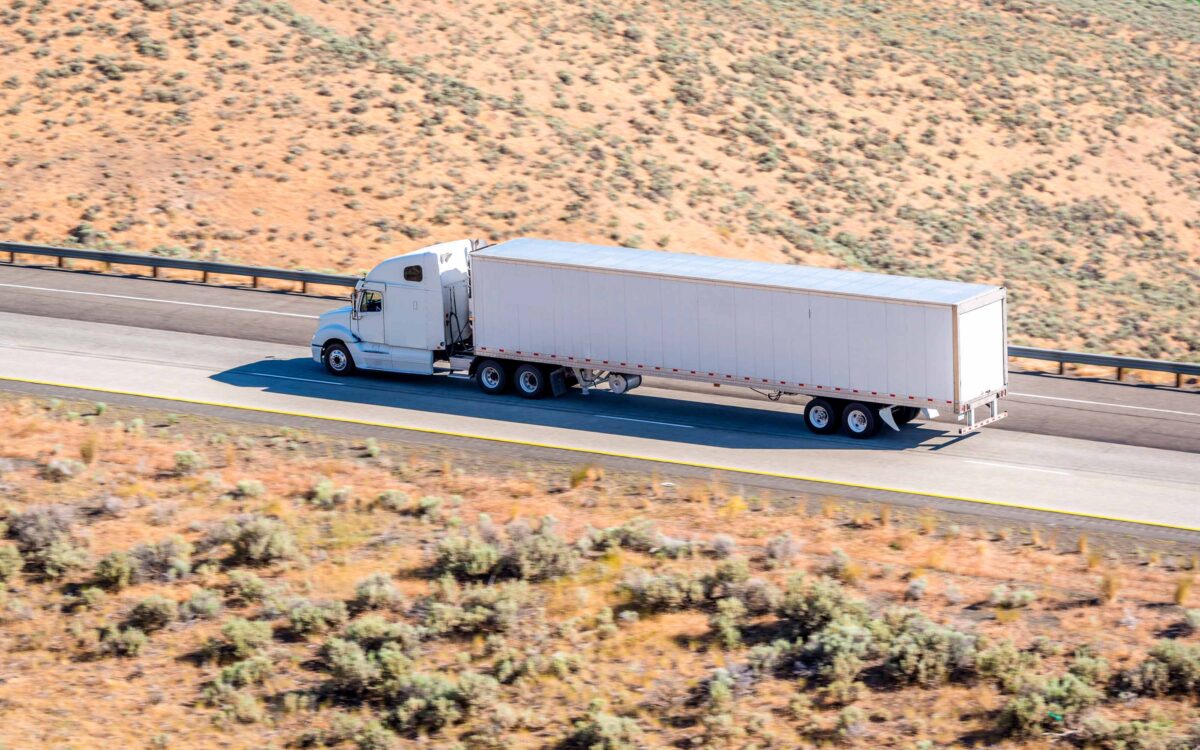
If you’re thinking about a career in trucking, you may be asking: What’s the difference between interstate vs intrastate commerce? While the terms may sound similar, they come with important distinctions that impact everything from licensing to regulations, insurance, and job responsibilities.

Let’s break down the difference and how it affects new truck drivers entering the field.

What Is Interstate Commerce?

Interstate commerce involves the movement of goods or services across state lines. This includes any shipment that begins in one state and ends in another, even if it only crosses briefly into a neighboring state. It also includes loads picked up in the U.S. that are destined for international ports or borders.

Because it crosses state boundaries, interstate trucking falls under federal regulations, primarily overseen by the Federal Motor Carrier Safety Administration (FMCSA), part of the Department of Transportation (DOT). These rules cover everything from hours-of-service limits, driver qualifications, liability insurance requirements, and vehicle maintenance.

Truckers involved in interstate trucking must meet FMCSA standards, which are consistent nationwide and designed to ensure public safety and reliability across all 50 states.

What Is Intrastate Commerce?

Intrastate commerce, on the other hand, refers to the transport of goods within a single state. If a truck picks up and delivers a load in Arizona and never crosses into another state, that’s considered intrastate trucking.

In this case, state-level regulations apply instead of federal ones. Although the FMCSA may still play a role in tracking safety data and issuing some general guidelines, each state governs its intrastate carriers. For example, insurance requirements, hours of service, and driver qualifications may differ slightly depending on the state.

Drivers operating under intrastate commerce still need a Commercial Driver’s License (CDL), but the licensing and renewal process may vary based on local laws.

Why the Difference Matters

Understanding the difference between interstate vs intrastate trucking is crucial when choosing your driving career path.

Each has its benefits and challenges:

  • Interstate Trucking: Involves longer hauls and more time on the road, but can offer higher pay and more job opportunities through national trucking companies.
  • Intrastate Trucking: Typically allows for shorter routes and more home time, which can be appealing for drivers with families or other local commitments.

The type of commerce also determines which safety regulations you must follow and what kind of liability insurance coverage you need. Knowing whether you’ll be driving interstate or intrastate helps you prepare for the correct tests, meet the right standards, and understand what employers will expect from you.

Get on the Road with the Right Training

Whether you choose interstate or intrastate trucking, success starts with the right training. At HDS Truck Driving Institute in Tucson, AZ, we offer CDL programs that prepare you for both types of commerce. Our instructors cover everything from FMCSA safety rules to state-specific requirements, giving you the skills and knowledge needed for a long-lasting career in trucking.

Ready to take the first step? Join a trusted program that prepares you for interstate and intrastate success—on your terms.

Call HDS Truck Driving Institute at (877) 205-2141 today.

Is It Hard to Earn Your CDL in Tucson?

Many people exploring a career in the trucking industry want to know how challenging it is to earn a CDL in Tucson. The truth is, with the right training and support, the process is more manageable than you might think. Earning your Commercial Driver’s License (CDL) takes dedication, but a structured, hands-on training program can make the journey smoother and more straightforward.

What Is a CDL and Why Is It Important?

A CDL is required to operate large commercial vehicles like semi-trucks, buses, and tankers. It proves that you’ve been trained and tested to handle the responsibilities that come with the job. Whether you’re new to driving or switching careers, a CDL opens the door to high-demand truck driving jobs across the country.

How Long Does It Take to Get a CDL?

In most cases, you can earn your CDL in just a few weeks. At HDS Truck Driving Institute in Tucson, AZ, students can complete their training in as little as four weeks with our full-time program. This includes classroom instruction, road training, and hands-on practice with professional instructors who have real-world experience.

If you need more flexibility, there are also part-time and weekend classes available. This makes it easier for students who are working or supporting families to start their driving career without putting everything on hold.

What Does CDL Training in Tucson Involve?

A strong truck driver training program includes both classroom and practical experience. In the classroom, students learn about safety regulations, vehicle inspections, and trip planning. Out on the road, you’ll get behind-the-wheel experience in real traffic situations and on practice ranges.

The goal is to prepare you not just to pass the CDL exam, but to be confident and job-ready on day one of your new career.

Is It Hard to Pass the CDL Test?

The CDL exam includes a written knowledge test and a skills test. While some parts of the test can be challenging, you’ll be fully prepared if you’ve completed a good training program. At HDS, we focus on helping every student understand the material, offering personalized support to make sure you succeed.

Job Placement and Career Support

One of the biggest benefits of going through a trusted school like HDS is job placement assistance. We partner with respected trucking companies that are actively hiring new drivers. Many of our students receive job offers before they even graduate.

Whether you want to drive locally or across the country, our team will help you find the best opportunity for your lifestyle and career goals.

Start Your Trucking Career With Confidence

So, is it hard to earn your CDL in Tucson? Not when you choose the right school. At HDS Truck Driving Institute, we make the process clear, supportive, and fast. Our instructors are committed to helping you build the skills needed to thrive in the trucking industry, and our job placement program helps you hit the ground running as a professional truck driver. Enroll today and take the first step toward a rewarding driving career with HDS.

Ready to shift gears? Call us now at (877) 205-2141 to learn more about our CDL programs in Tucson, AZ.

6 Truck Driving Career Paths You Can Start After CDL Training

Getting your Commercial Driver’s License (CDL) can open the door to a wide range of jobs in the trucking industry. Whether you want to travel across the country or stay close to home, there’s a career path that fits your goals and lifestyle. At HDS Truck Driving Institute, we help students explore all the possibilities. Here are 6 truck driving career paths you can start after CDL training.

1. Over-the-Road (OTR) Truck Driving

If you love to travel and don’t mind being on the road for longer periods, OTR driving might be the perfect fit. These truck drivers haul freight across public highways throughout the U.S., usually across 48 states. OTR drivers are often on the road for 3 to 4 weeks at a time, and they can earn competitive pay while seeing new places. This is also an excellent option for solo drivers who enjoy independence and adventure.

2. Regional Truck Driving

Regional drivers haul goods within a few hundred miles of a certain area instead of going all over the country. One benefit is that routes are more predictable, and drivers often get home every couple of weeks. At HDS, our regional routes do not include the East Coast, making this a great option for those who prefer staying closer to the West or Southwest. Regional driving is also ideal for solo drivers looking for a balanced schedule and consistent routes.

3. Local Truck Driving

Want to be home every night? Local truck driving might be the career for you. Local drivers usually stick to routes within Arizona and often follow a dedicated schedule. This is a great choice for those who want a steady routine and time with family while still being part of the trucking industry. It’s also well-suited for solo drivers who prefer shorter hauls and familiar routes.

4. Team Truck Driving

Team truck driving is when two drivers work together to keep the truck moving almost nonstop. It’s a great option for couples or friends who want to travel and work as a team. Because the truck keeps going, team drivers can complete long hauls faster and often earn more money.

5. Owner/Operator

If you have an entrepreneurial spirit, becoming an owner-operator might be your dream. Owner-operators run their own trucking business. Some lease their trucks to larger trucking companies, while others operate under their own authority. This path gives you more control over your schedule, routes, and income.

6. Trainer or Crane Operator

Experienced drivers can become instructors and train the next generation of truckers. Teaching others is a rewarding way to give back to the industry and build leadership skills. Another unique path is becoming a crane operator. CDL training is essential for this role, and it can open doors to construction and heavy equipment jobs. HDS offers accelerated training for this path.

Ready to Start Your Truck Driving Journey?

No matter which truck driving career path fits your goals, it all begins with the right training. At HDS Truck Driving Institute, we offer high-quality CDL training that prepares you for success, whether you’re interested in OTR, local, team driving, or becoming an owner operator. Our experienced instructors and flexible programs help you get on the road fast.

Start your new career in the trucking industry—contact HDS Truck Driving Institute at (877) 205-2141 today to enroll in our CDL training program.