
2025 Trucking Statistics and Why They Matter

As we head into the second half of 2025, the trucking industry continues to prove just how vital it is to the U.S. economy. With shifting freight demands, rising retirements, and new regulations, it’s more important than ever for new and experienced drivers alike to stay informed.

If you want to be a truck driver or are currently in CDL school, it’s good to know the trucking statistics for 2025. This information can help you understand the future of the trucking industry and your role in it.

Trucking Is Still Driving the Economy

Despite economic uncertainties, the American Trucking Associations (ATA) reports that the trucking industry continues to move over 72% of the nation’s freight by weight. That adds up to more than 11 billion tons of goods hauled each year—and 2025 is expected to see steady growth in shipping volume across the board.

Why It Matters:

More freight means more job opportunities. With a CDL, you can tap into one of the country’s most essential and recession-resilient industries.

Driver Demand Remains High

In 2024, the driver shortage hovered around 80,000 open positions. In 2025, that number remains a top concern for fleets nationwide. As older drivers retire and e-commerce keeps demand high, there’s an ongoing need for new, qualified CDL holders.

Why It Matters:

Graduates of programs like HDS Truck Driving Institute are in a strong position to fill these roles—especially those trained under Entry-Level Driver Training (ELDT) standards. In fact, many of our students have job offers in hand before graduation.

Wages Are Trending Upward

With demand outpacing supply, driver wages continue to rise. According to the Bureau of Labor Statistics, the median pay for heavy and tractor-trailer drivers in 2025 is over $55,000 per year, with many drivers earning significantly more—especially those in specialized or long-haul roles.

Why It Matters:

If you’re looking for a career that rewards your time and effort, trucking offers competitive pay, sign-on bonuses, and long-term earning potential.

More Investment in Training & Tech

Trucking companies are investing in better training, safety technology, and fleet upgrades to improve performance and retention. From lane assist systems to automated logs, today’s trucks are smarter and safer than ever.

Why It Matters:

Modern equipment and comprehensive CDL programs, like those at HDS, prepare you to drive confidently in this evolving landscape. You’ll graduate with skills that today’s employers truly value.

The Shift Toward Sustainability

2025 has also seen more fleets adopting alternative fuel trucks and focusing on lower emissions. While diesel trucks remain the industry standard, the future is trending green.

Why It Matters:

Understanding these shifts now gives you a head start. CDL training isn’t just about driving—it’s about preparing for the future of freight transportation.

Start Your Trucking Career With Confidence

At HDS Truck Driving Institute, we’ve been training drivers for over 30 years. We’re proud to help students not just earn their CDL, but thrive in an ever-changing industry. With ACCSC accreditation, experienced instructors, and a strong job placement network, we’re here to help you take the next step.

Whether you’re aiming for long-haul routes, regional gigs, or local delivery work, the opportunities in 2025 are strong—and the time to start is now.

Call us today at (877) 205-2141 to learn more about our CDL training programs and how we can help you launch a successful trucking career in today’s market.

Diesel Truck Maintenance Program

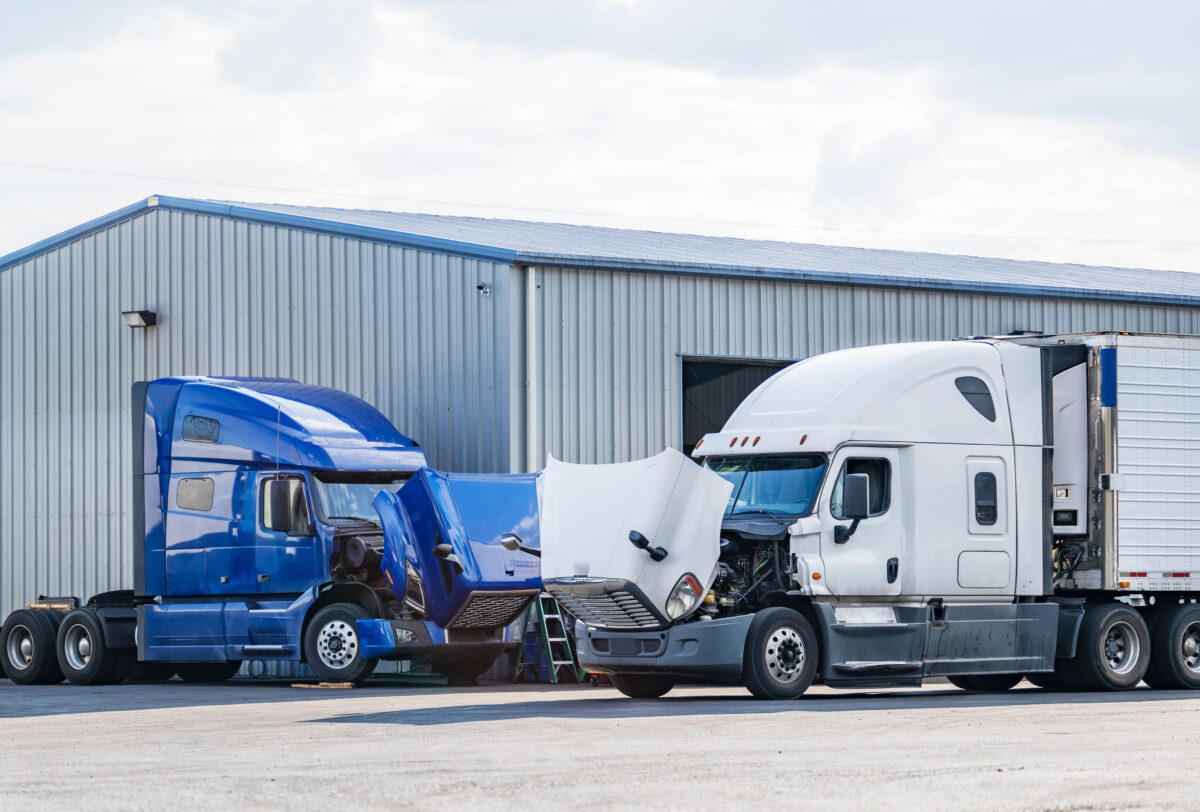
At HDS Truck Driving Institute, we know that a well-maintained truck is just as important as a skilled driver. That’s why we’re proud to offer a Diesel Truck Maintenance Program—designed to train individuals in the technical skills needed to keep commercial trucks running safely and efficiently.

Whether you’re looking to become a diesel technician or you’re a driver who wants to better understand the equipment you operate, our program can help you take the next step in your transportation career.

Why Diesel Maintenance Matters

Diesel trucks power much of the U.S. economy, hauling goods across thousands of miles each day. These hardworking vehicles demand expert care—and skilled technicians are in high demand to perform the maintenance and repairs that keep trucks road-ready.

Understanding diesel maintenance can also benefit drivers directly. Knowing the basics can help you spot potential issues early, communicate more effectively with service techs, and even reduce downtime.

What You’ll Learn in Our Program

Our Diesel Truck Maintenance Program covers essential topics to help you build a strong foundation in diesel technology. You’ll learn how to inspect, service, and repair key systems found in commercial trucks.

Some of the skills and knowledge areas include:

  • Diesel Truck Maintenance
  • Driving Techniques and Maneuvers
  • Preventive Maintenance & Safety Awareness
  • Time Management & Trip Planning Basics
  • Hazardous Materials Awareness
  • Loading, Securing & Unloading Cargo

Our training combines classroom instruction with hands-on experience, giving you the opportunity to work on real equipment under the guidance of experienced instructors.

Who Should Consider This Program?

This program is a great fit for:

  • Individuals who want a career as a diesel technician
  • Drivers interested in understanding truck mechanics
  • High school graduates or career changers seeking skilled trade opportunities
  • CDL holders looking to expand their knowledge and career potential

No prior mechanic experience? No problem. Our instructors work with students from all backgrounds and help them gain confidence every step of the way.

Career Opportunities After Graduation

Diesel maintenance skills can open the door to a variety of job opportunities, including:

  • Fleet Maintenance Technician
  • Diesel Mechanic
  • Shop Assistant or Apprentice
  • Field Service Technician

These roles are essential across the transportation and logistics industries, offering strong job stability and growth potential.

Why Choose HDS Truck Driving Institute?

HDS has been training transportation professionals for more than 30 years. As an ACCSC-accredited institution, we’re committed to high-quality instruction and career-focused education.

What sets our maintenance program apart:

  • Experienced Instructors with real-world knowledge
  • Hands-On Training in a supportive environment
  • Career Services Support to connect you with job opportunities
  • Flexible scheduling to fit your life

We understand that starting something new can feel overwhelming—but we’ll be with you every step of the way.

Start Your Maintenance Career Today

Whether you’re aiming to become a diesel technician or looking to add a valuable skillset to your truck driving career, the Diesel Truck Maintenance Program at HDS can help you get there.

Call us today at (877) 205-2141 to learn more or speak with an admissions advisor. Your future in diesel technology starts here.

What to Expect in the First 30 Days of Truck Driving School

Starting your journey toward becoming a professional truck driver is both exciting and life-changing. If you are wondering what to expect in the first 30 days of truck driving school, you’re not alone. Whether you’re brand-new to the road or already comfortable behind the wheel, knowing what lies ahead can help you feel more prepared and confident.

Week 1: Hitting the Books

Your first week in CDL training programs at HDS Truck Driving Institute will be spent in the classroom. Here, you will study essential topics like cab familiarization, safety rules, and how to perform pre- and post-trip inspections. This is the foundation for passing your CDL permit test and setting yourself up for success on the road.

Our instructors will walk you through topics like hazardous material handling, shifting techniques, and the basics of driving large vehicles like dump trucks and tractor trailers. This week is also a great time to get to know your instructors and classmates—you’re all on the same road to becoming commercial drivers.

Weeks 2-3: Hands-On Range & Yard Practice

After you pass your written permit exam, you’ll move to the training yard. This is where the real excitement begins! You will start wheel training with Class A CDL vehicles and get a feel for handling their size and power. From backing and turning to mastering parking maneuvers, you’ll build essential road skills.

The experienced instructors at HDS are there every step of the way to help you gain confidence and control behind the wheel. You’ll also work on specific skills needed for different vehicle types, including those required in entry-level driver positions involving dump trucks and other commercial vehicles.

Week 4: Road Training & Career Readiness

By your final week, you’ll be out on the road. You’ll practice real-world driving techniques on highways, surface streets, and industrial areas. This phase prepares you for the actual CDL driving exam, as well as for the challenges you’ll face as a CDL driver.

You’ll also receive guidance from our Job Placement Coordinator. Whether your goal is long-haul trucking, local routes, or specialized positions, we’ll help you explore career choices and connect with employers ready to hire. Our partnerships with reputable companies mean you could be employed as soon as you graduate.

Launch Your Driving Career With Confidence

From your first classroom session to your final road test, the first 30 days of truck driver training at HDS Truck Driving Institute are designed to set you up for long-term success. Whether you choose our standard CDL training program or the more advanced Professional Truck Driver Training Program, you will receive top-tier instruction and career support every mile of the way. You’ll build the skills, knowledge, and confidence needed to thrive in the trucking industry from day one.

Ready to start your journey toward a rewarding and stable career as a professional truck driver? Call HDS Truck Driving Institute today at (877) 205-2141 and take the wheel of your future.

Do You Need a GED or High School Diploma to Start CDL Training?

If you’re thinking about becoming a truck driver, you might be wondering: Do you need a GED or high school diploma to start CDL training? The good news is that the answer is no—most CDL training programs, including those at HDS Truck Driving Institute, do not require a diploma or GED to get started.

CDL Training Requirements Explained

To enroll in a CDL training program, you do need to meet some basic requirements.

These often include:

  • Being at Least 18 Years Old (21 to Drive Across State Lines)
  • Having a Valid Driver’s License
  • Being Able to Pass a Department of Transportation (DOT) Physical
  • Passing a Drug Screening

When it comes to your education level, federal regulations set by the Federal Motor Carrier Safety Administration (FMCSA) do not require a high school diploma or GED to become a commercial driver. This means you can start your journey into entry-level driver training and work toward a new career without needing to go back to school first.

What About the Learner’s Permit?

Before hitting the road, CDL students need to earn a commercial learner’s permit (CLP). At HDS, the first week of your training program is focused on classroom learning that helps you pass the written permit test with confidence. Even if you haven’t been in a classroom for a while, our instructors will support you every step of the way.

HDS CDL Training Programs for All Experience Levels

At HDS Truck Driving Institute, we offer CDL training programs for both Class A and Class B licenses, with options to complete your training in as little as four weeks. Whether you’re new to driving large vehicles or already have some experience, our programs are designed to prepare you for the road ahead.

Our programs cover essential skills such as:

  • Pre and Post-trip Inspections
  • Proper Shifting Techniques
  • Hazardous Material Awareness
  • Backing, Turning & Parking
  • Cab Familiarization

You’ll also gain hands-on experience with real equipment under the guidance of experienced instructors. Plus, our Job Placement Coordinator will work with you during training to help you connect with job opportunities once you earn your CDL.

Training That Meets ELDT Requirements

All of our courses meet Entry-Level Driver Training (ELDT) standards set by the Federal Motor Carrier Safety Administration. This ensures you’re getting a top-quality education that qualifies you for employment with reputable carriers.

Get Started Today—No Diploma Needed

If you’ve been holding off on truck driving because you didn’t finish high school, it’s time to let go of that worry. At HDS Truck Driving Institute, we believe your drive and determination matter more than a piece of paper. Our CDL training programs are built to help you succeed—no diploma required.

Start your trucking career off right by enrolling in one of our flexible, ELDT-compliant programs. Whether you want to hit the road fast or take a deeper dive into the profession, HDS Truck Driving Institute is here to help you every step of the way. Reach out today and get on the road to success.

Call us today at (877) 205-2141 to learn more about this exciting addition and how it can expand your future options.

Why Diesel Maintenance Matters for Truck Drivers in Tucson

For truck drivers in Tucson, keeping a diesel engine in top condition is essential for a long and successful career. Unlike gasoline engines, diesel engines run hotter and experience more wear and tear over time. That’s why regular maintenance is a must for fuel efficiency, engine performance, and safety. Whether you’re driving locally or on long-haul routes, staying on top of diesel maintenance can save you time, money, and stress down the road.

Key Diesel Engine Maintenance Tasks

Taking care of your truck’s diesel engine isn’t just about keeping it running—it’s about making sure it performs at its best.


Here are some essential maintenance tips every truck driver should follow:

1.   Change the Fuel Filter Regularly

A clogged fuel filter can reduce fuel efficiency and strain the engine. Diesel fuel can contain small particles that build up over time, leading to blockages in the system. Regular filter replacements prevent contaminants from reaching the engine and keep your truck running smoothly.

2.   Check and Replace the Air Filter

Like the fuel filter, the air filter plays a crucial role in engine performance. Diesel engines require clean and consistent airflow to function efficiently. Dirty air filters can cause engines to run less efficiently and reduce overall power.

3.   Inspect Fuel Injectors for Clogs

Fuel injectors deliver diesel fuel to the engine. When they get clogged, the engine may struggle with performance issues or burn fuel inefficiently. Truck drivers should routinely check fuel injectors and get them professionally cleaned when needed.

4.   Keep an Eye on Wear and Tear

Long-haul driving puts a lot of stress on commercial trucking engines. Components like hoses, belts, and gaskets need to be checked frequently to prevent breakdowns on the road. Ignoring these small maintenance tasks can lead to bigger—and costlier—repairs.

5.   Pay Attention to Engine Temperature

Diesel engines run hotter than gasoline engines, and overheating can cause serious damage. Regular coolant checks help prevent overheating and keep the engine running at the right temperature.

Diesel Maintenance and Hazardous Materials Safety

Diesel maintenance is even more critical for truck drivers hauling hazardous materials. A poorly maintained truck can increase the risk of accidents or fuel spills, which can lead to environmental hazards and potential safety violations. Proper maintenance ensures that all truck systems, from brakes to exhaust, are working correctly to prevent dangerous situations on the road.

The Long-Term Benefits of Diesel Maintenance

Maintaining a diesel engine isn’t just about short-term performance—it has long-term benefits, too. Well-maintained trucks last longer, reduce downtime due to unexpected repairs, and have higher resale values. Plus, keeping up with routine maintenance can help drivers avoid background checks or additional inspections when applying for new jobs in commercial trucking.

Start Your Trucking Career with Proper Diesel Knowledge

Understanding why diesel maintenance matters is just one part of being a successful truck driver. At HDS Truck Driving Institute, we prepare students for every aspect of the industry, from learning the types of trucks used in commercial trucking to mastering essential maintenance tips. If you’re ready to start a rewarding career as a truck driver, enroll in our CDL program today and take the first step toward your future on the road.

Call us today at (877) 205-2141 to talk to one of our advisors.

Why Crane Operators Need a CDL: Boost Your Career with the Right Training

If you’re thinking about becoming a crane operator or already working in the field, you may wonder if you need a Commercial Driver’s License (CDL). The answer depends on the type of crane you operate and whether you need to transport it to job sites. In many cases, having a CDL is not just a requirement—it’s an excellent way to boost your career prospects and earning potential.

When Is a CDL Required for Crane Operators?

A CDL is typically required if you need to drive a crane or other heavy equipment on public roads. According to federal regulations, you must have a Class A CDL if the vehicle you’re driving has a gross combination weight rating (GCWR) of 26,001 pounds or more and a Class B CDL for single vehicles over 26,001 pounds.


Here are a few situations where a CDL is necessary for crane operators:

  • Mobile Cranes: A CDL is required if you operate a mobile crane that must be driven from one job site to another.
  • Truck-Mounted Cranes: Some cranes are attached to trucks that exceed weight limits, making a CDL mandatory.
  • Oversized Loads: Hauling counterweights, crane components, or other oversized equipment may also require a CDL.

Benefits of Having a CDL as a Crane Operator

Even if your current job doesn’t require a CDL, obtaining one can open up more opportunities and higher pay.


Here’s why:

1.   Increased Job Opportunities

Many construction companies prefer crane operators who have a CDL because they can handle transportation without relying on a separate driver. This makes you a more valuable employee and broadens your career options.

2.   Higher Salary Potential

CDL-certified crane operators often earn higher wages because they can perform multiple duties. Employers are willing to pay more for workers who can both operate the crane and transport it to the site.

3.   More Flexibility in the Industry

With a CDL, you’re not limited to just one type of equipment. You can switch between roles, such as driving a dump truck or operating other heavy machinery, making you more adaptable in the workforce.

4.   Job Security and Stability

The construction and transportation industries are always in demand, and having a CDL gives you more job security. Employers prioritize workers who have multiple skill sets, meaning you’re more likely to stay employed even during slow periods.

How to Get a CDL for Crane Operations

Getting a CDL requires proper training and passing the necessary tests.


Here are the steps to follow:

  1. Meet the Basic Requirements – You must be at least 18 years old for intrastate driving and 21 years old for interstate driving.
  2. Attend a CDL Training Program – Enroll in a professional truck driving school, like HDS Truck Driving Institute, to learn safe driving skills, vehicle operation, and regulations.
  3. Pass the CDL Written and Skills Tests – You’ll need to pass a knowledge test and a driving exam to earn your CDL.
  4. Obtain Endorsements if Needed – Some crane operators may need special endorsements, such as Tanker (N) or Hazmat (H), depending on the job.

Advance Your Career—Get CDL Training Today

If you want to increase your job opportunities, salary potential, and career flexibility, earning a CDL is a smart move. At HDS Truck Driving Institute, we offer comprehensive CDL training to help you gain the skills needed for success in the trucking and construction industries.

Take the next step in your career—enroll today by calling us at (877) 205-2141.

Truck Maintenance 101: Essential Tips for Keeping Your Rig in Top Shape

Proper truck maintenance is crucial for any truck driver. Whether you’re new to trucking or a seasoned professional, understanding the basics of truck care can save you time, money, and stress. Here’s a comprehensive guide to truck maintenance with essential tips for keeping your rig in top shape.

Routine Checks: Your Daily To-Do List

Maintaining your truck starts with daily checks to ensure everything is running smoothly. These routine checks can prevent minor issues from becoming major problems. 


Here are some essential daily checks:


  • Oil & Fluid Levels: Regularly check the oil, coolant, brake fluid, and windshield washer fluid levels. Low levels can lead to serious engine problems and reduce the truck’s performance.
  • Tire Pressure & Tread: Properly inflated tires not only improve fuel efficiency but also ensure safety. Check the tire pressure daily and look for any signs of wear and tear on the tread.
  • Lights & Indicators: Make sure all headlights, brake lights, turn signals, and hazard lights are functioning correctly. These are essential for safe driving, especially at night or in bad weather.
  • Brakes: Test the brakes daily before hitting the road. Listen for any unusual noises and check for proper brake response.

Common Issues to Watch For

Even with regular checks, issues can still develop in trucks. Being aware of common problems can help you catch them early and avoid costly repairs. 


Keep an eye out for these common truck issues:


  • Engine Problems: Unusual noises, excessive exhaust smoke, and difficulty starting can indicate engine issues. Regular engine checks and timely oil changes can prevent major problems.
  • Battery Health: Check the battery terminals for corrosion and ensure the battery is charged correctly. A weak battery can leave you stranded in the middle of nowhere.
  • Suspension & Steering: Pay attention to how your truck handles on the road. If you notice any unusual vibrations or difficulty steering, it could be a suspension issue.
  • Leaks: Look for any signs of fluid leaks under your truck. These could be from the engine, transmission, or hydraulic systems and need immediate attention.

Tips for Prolonging the Life of Your Truck

Taking extra steps to care for your truck can significantly extend its lifespan. 


By following these tips, you can keep your truck running smoothly for years to come:


  • Regular Servicing: Stick to a regular maintenance schedule and get your truck serviced regularly. This includes oil changes, filter replacements, and comprehensive inspections.
  • Drive Smoothly: Avoid aggressive driving, which can wear out the engine and other components faster. Smooth acceleration and braking can extend the life of your truck.
  • Clean Your Truck: Regularly wash your truck to remove dirt, grime, and road salt, which can cause rust and corrosion. A clean truck not only looks good but also lasts longer.
  • Monitor Your Truck’s Health: Use technology to your advantage. Many trucks come with onboard diagnostics that can alert you to potential issues before they become serious problems.

Take the Wheel of Your Future

Maintaining your truck is vital for a successful career in trucking. At HDS Truck Driving Institute, we not only teach you how to drive but also provide essential knowledge on truck maintenance. Our comprehensive programs prepare you for the road ahead, ensuring you have the skills to keep your rig in top shape. 

Ready to start your trucking journey? Enroll today and become a confident, knowledgeable truck driver. Your future in trucking starts here—apply now!

Green Trucking: Sustainable Practices for the Eco-Conscious Driver

In today’s world, sustainability is more important than ever. As a truck driver, you have a unique opportunity to make a significant impact on the environment. Green trucking involves adopting practices that reduce your carbon footprint and help protect our planet. Here are some eco-friendly driving techniques, tips for maintaining a green vehicle, and the benefits of reducing your carbon footprint.

Eco-Friendly Driving Techniques

Eco-friendly driving techniques can significantly reduce the amount of fuel your truck consumes and the pollution it produces. 

Here are some simple practices you can adopt:

  • Smooth Acceleration & Braking: Sudden starts and stops waste fuel and increases emissions. Accelerate and brake smoothly to save fuel and reduce wear and tear on your vehicle.
  • Maintain a Steady Speed: Using cruise control on highways can help you maintain a steady speed, which is more fuel-efficient than constantly speeding up and slowing down.
  • Reduce Idling: Idling burns fuel without moving the truck. Turn off your engine if you’re going to be stopped for more than a few minutes.
  • Proper Gear Use: Shift gears at the right time to keep the engine running efficiently. Avoid over-revving or lugging the engine.
  • Optimize Your Route: Use GPS and traffic apps to find the most efficient route. Avoiding traffic jams and road construction can save you time and fuel.

Maintaining a Green Vehicle

Another key to green trucking is keeping your truck in top condition. Regular maintenance can help your truck run more efficiently and last longer. 

Here are some tips:

  • Regular Tune-Ups: Properly tuning your engine can improve fuel efficiency.
  • Check Tire Pressure: Under-inflated tires can lower fuel efficiency and increase emissions. Check your tire pressure regularly and keep them properly inflated.
  • Use Synthetic Oil: Synthetic oils can improve fuel efficiency and reduce engine wear.
  • Upgrade to Fuel-Efficient Tires: Some tires are designed to improve fuel efficiency. Look for low-rolling resistance tires for your truck.
  • Aerodynamic Add-ons: Adding aerodynamic devices like side skirts and trailer tails can reduce drag and improve fuel efficiency.

Benefits of Reducing Your Carbon Footprint

Adopting green trucking practices has several benefits beyond just saving the environment. 

Here are a few of the advantages: 

  • Cost Savings: Using less fuel and maintaining your vehicle properly can save you money in the long run.
  • Improved Health: Reducing emissions means cleaner air, which is better for everyone’s health, including yours.
  • Positive Reputation: Eco-conscious drivers are often seen as more responsible and reliable. This can enhance your reputation and open up more job opportunities.
  • Future-Proofing Your Career: As regulations become stricter, being ahead of the curve in sustainable practices can make you a more competitive driver in the job market.

Join HDS Truck Driving Institute

At HDS Truck Driving Institute, we are committed to training the next generation of eco-conscious drivers. By adopting green trucking practices, you can play a vital role in protecting our planet while enjoying the benefits of a sustainable career. Join us at HDS Truck Driving Institute to learn more about sustainable trucking and how you can make a difference. 

Enroll today and drive toward a greener future!

Life Hacks for Long Hauls: Tips for Comfort and Convenience on the Road

Long hauls can be challenging, but with the right tips, you can turn those long hours on the road into a more comfortable and enjoyable experience. Here are ten practical and creative life hacks to help you make the most of your time in the cab.

Keep Your Cab Organized

An organized cab can make a world of difference for your comfort. Use storage bins and organizers to keep everything in its place. Also, consider using a shoe organizer hung over the back of your seat for small items like snacks, tools, and cleaning supplies. This way, everything you need is within easy reach, and you won’t have to dig around to find what you’re looking for.

Comfortable Seating

Investing in a good seat cushion can make those long hours behind the wheel much more comfortable. Look for memory foam or gel cushions that support and reduce pressure on your back and legs, and adjust your seat regularly to change your posture and avoid stiffness.

Healthy Snacks

Eating healthy on the road can be challenging, but it’s not impossible. Pack a cooler with fruits, vegetables, nuts, and other healthy snacks. Avoid junk food and sugary drinks, which can make you feel sluggish. Additionally, drinking plenty of water is crucial to staying hydrated and alert.

Get a Good Night’s Sleep

A well-rested driver is a safer driver. Make your sleeping area as comfortable as possible with a good mattress, pillow, and blankets. You can use blackout curtains or a sleep mask to block out light and earplugs to reduce noise. Establishing a bedtime routine also helps you relax and fall asleep more easily.

Exercise Regularly

Staying active on the road is essential for your health. Take breaks to stretch and do some light exercises like walking, jogging, or even yoga. Many truck stops have gyms or walking trails, so take advantage of these facilities whenever you can.

Entertainment and Relaxation

Long hauls can get boring, so having some entertainment options can make a big difference. Load your tablet or smartphone with movies, TV shows, or audiobooks. Listening to music or podcasts can also help you pass the time and keep you entertained.

Plan Your Route

Planning your route in advance can save you time and stress. Use GPS and trucking apps to find the best routes, avoid traffic, and locate truck stops with the necessary amenities. Knowing where you’re going and what to expect can make your trip smoother.

Stay Connected

Being away from home for long periods can be tricky, but staying connected with family and friends can help. Schedule regular video calls or phone calls to keep in touch. Having a support network can make the long hours on the road feel less lonely.

Emergency Kit

Always have an emergency kit on hand. Include a first aid kit, flashlight, extra batteries, blankets, and non-perishable food. Being prepared for any situation can give you peace of mind and ensure you’re ready for anything the road throws your way.

Personal Hygiene

Maintaining good hygiene on the road is crucial. Keep a toiletry bag with essentials like toothpaste, toothbrush, deodorant, and wet wipes. Many truck stops have showers, so take advantage of them whenever possible to stay fresh and clean.

Enroll at Phoenix Truck Driving Institute for a Smooth Ride

Following these life hacks can make your long hauls more comfortable and convenient. At Phoenix Truck Driving Institute, we equip you with the skills to drive and the knowledge to make your long hauls as efficient as possible. Our comprehensive programs cover everything from safety practices to advanced driving techniques, ensuring you’re fully prepared for life on the road. 

Call us now at (877) 205-5372 to learn more and get started!


The Road to Independence: Steps to Becoming an Owner-Operator

Are you a company truck driver dreaming of owning your own truck and being your own boss? Becoming an owner-operator is a significant step toward independence and potentially greater earnings. This transition requires a lot of careful planning and preparation, however. Here’s a detailed guide to help you navigate the journey from company driver to owner-operator.

Financial Planning: The First Step

The first and most crucial step is financial planning. Transitioning to an owner-operator requires a significant financial commitment. 

Here’s what you need to consider:

  1. Savings: Ensure you have enough savings to cover initial expenses, including a down payment on a truck, insurance, and registration fees. A good rule of thumb is to have at least $20,000 saved up.
  2. Credit Score: A good credit score is essential for securing loans at favorable interest rates. Before taking the leap, check your credit score and take steps to improve it if necessary.
  3. Budgeting: Create a detailed budget outlining your expected income and expenses, including costs like fuel, maintenance, insurance, and permits. This will give you a clear picture of your financial needs and help you avoid surprises.

Choosing the Right Truck

Once your finances are in order, the next step is choosing the right truck. 

This decision will significantly impact your trucking business’s success, so consider the following factors:

  • New vs. Used: While new trucks come with the latest technology and warranties, used trucks are cheaper but may require more maintenance. Assess your budget and choose accordingly.
  • Type of Truck: Select a truck that matches the type of loads you plan to haul. Consider factors like fuel efficiency, horsepower, and capacity.
  • Inspection and Maintenance: Whether buying new or used, have the truck thoroughly inspected by a professional. Regular maintenance is crucial to avoid breakdowns and costly repairs.

Managing Your Small Business

You’ll need to manage your small business effectively as an owner-operator.

Here are some tips to help you succeed:

  1. Register Your Business: Choose a business name and register it with the appropriate authorities. Obtain all necessary licenses and permits to operate legally.
  2. Insurance: Protect your investment with comprehensive insurance coverage. This includes insurance that covers liability, cargo, and physical damage.
  3. Bookkeeping: Keep detailed records of all your income and expenses. Consider hiring a professional accountant or using bookkeeping software to manage your finances.
  4. Networking and Marketing: Build relationships with shippers, brokers, and other industry professionals. Consider creating a website or social media presence to market your services.

Staying Compliant

Compliance with regulations is critical for owner-operators. 

Ensure you stay up-to-date with the following:

  • DOT and FMCSA Regulations: Familiarize yourself with the Department of Transportation (DOT) and Federal Motor Carrier Safety Administration (FMCSA) regulations. These include hours-of-service rules, vehicle maintenance standards, and more.
  • Record-Keeping: Maintain accurate records of your driving hours, vehicle maintenance, and other required documentation.
  • Continuing Education: Attend workshops, webinars, and other educational events to stay informed about industry changes and advancements.

Drive Your Future Forward

Embarking on the road to independence as an owner-operator begins with earning your Commercial Driver’s License (CDL). Phoenix Truck Driving Institute offers comprehensive training programs to equip you with the skills and knowledge needed to succeed in the trucking industry. By earning your CDL with us, you’ll be taking the first crucial step toward owning your truck and managing your own business. 

Don’t wait—start your journey to independence today by enrolling at Phoenix Truck Driving Institute.


A Guide to Understanding Trucking Regulations

In the bustling world of trucking, drivers, companies, and other industry professionals must have a clear understanding of trucking regulations. These regulations are set by the Department of Transportation (DOT) and for trucking companies, are further enforced by the Federal Motor Carrier Safety Administration (FMCSA). DOT and FMCSA regulations are implemented to ensure road safety, protect the environment, and maintain fair and ethical business practices.  

Importance of Trucking Regulations

Trucking regulations are vital in maintaining order and safety within the industry. These regulations cover many areas, including driver qualifications, drugs and alcohol testing, hours of service, vehicle maintenance, hazardous materials transportation, and more. By adhering to DOT laws and federal regulations, trucking professionals can help prevent accidents, protect the environment, and ensure fair competition within the trucking industry.

Key Trucking Regulations

Understanding trucking regulations is essential for all professionals in the industry. Here are a few of the key areas to focus on: 

  1. Hours of Service (HOS): The HOS regulations are designed to prevent driver fatigue by limiting the number of hours a driver can operate a commercial motor vehicle. Drivers need to understand the specific HOS rules and take necessary rest breaks to comply with these regulations. 
  2. Commercial Driver’s License (CDL) Requirements: Truck drivers must obtain a CDL to operate commercial vehicles. Different classes of CDL are available, and drivers must meet specific qualifications and testing requirements to obtain and maintain their CDL. 
  3. Vehicle Maintenance and Inspections: Regular vehicle maintenance and inspections are essential to ensure that commercial vehicles operate safely on the roads. Trucking professionals should be familiar with the specific maintenance and inspection requirements outlined in the regulations. 
  4. Hazardous Materials Transportation: Transporting hazardous materials requires strict adherence to regulations to prevent environmental damage and protect public safety. Drivers and carriers must understand the requirements for handling and transporting hazardous materials. 

Resources for Staying Compliant

Staying informed about trucking regulations is an ongoing process. Fortunately, there are numerous resources available to help trucking professionals remain compliant. One is the Federal Motor Carrier Safety Administration (FMCSA). The FMCSA website provides a wealth of information on trucking regulations, including guides, handbooks, and updates on rule changes. 

 Joining industry associations and organizations is another way to gain access to valuable resources and networking opportunities. These groups often offer training, seminars, and publications on regulatory compliance.

 Trucking driving institutes such as HDS provide CDL training programs. These programs help new and experienced drivers gain knowledge, skills and confidence behind the wheel. 

Best Practices for Compliance 

In addition to understanding the regulations, there are several best practices that trucking professionals should follow to ensure compliance: 

  1. Regular Training and Refreshers: Regular training and refresher courses can help drivers and carriers stay updated on regulatory changes and best practices. 
  2. Document Management: Proper management of documents, such as logs, maintenance records, and certifications, is crucial for demonstrating compliance during inspections and audits. 
  3. Communication and Transparency: Maintaining open communication with drivers, dispatchers, and other stakeholders can help ensure everyone is aware of and compliant with regulations. 
  4. Proactive Safety Measures: Implementing proactive safety measures, such as regular vehicle inspections and safety training, can help prevent violations and accidents. 

Training at HDS Truck Driving Institute will help you understand today’s trucking regulations. 

Navigating the intricate web of trucking regulations is essential for the safety and success of the industry. By understanding the key regulations, accessing valuable resources, and following best practices, trucking professionals can ensure compliance and improve safety and efficiency within the industry. 

Remember, staying informed and proactive is the key to thriving in the ever-evolving landscape of trucking regulations and HDS Truck Driving Institute will help. 

Contact us today, for all of your safety and compliance needs. 

Navigating the Challenges of Long-Haul Trucking

Long-haul or over-the-road trucking is a demanding and challenging profession that requires perseverance, skill, and a strong work ethic. Drivers who embark on long-haul journeys face many obstacles, ranging from fatigue and loneliness to navigating through unfamiliar territories and dealing with unpredictable weather conditions. Despite these challenges, several strategies and tips can help truckers navigate the complexities of long-haul trucking and achieve success on the road. 

Safety First

One of the most crucial aspects of long-haul trucking is always prioritizing safety. Staying alert and adhering to all traffic regulations and safety protocols is essential for both personal well-being and the protection of other motorists on the road. Long hours behind the wheel can lead to fatigue, so it’s critical for drivers to take regular breaks, stay hydrated, and get an adequate amount of rest to maintain focus and concentration while driving.

Learning and following all Department of Transportation (DOT) laws and standards set by the Federal Motor Carrier Safety Administration (FMCSA), and how to properly document your journey is a critical step in making sure you stay safety compliant on your journey.  

Keep Communication Open 

Maintaining open and effective communication with dispatchers and fellow truckers can significantly contribute to a smoother and more efficient long-haul journey. Clear communication ensures that drivers are aware of any changes in the route, potential roadblocks, and other important information that may impact their journey. Connecting with other truckers through professional networks and forums can provide valuable insights and support from those who understand the unique demands of long-haul trucking. 

Plan Your Route Carefully

The importance of thorough trip planning cannot be overstated when it comes to long-haul trucking. Before hitting the road, truckers should meticulously plan their routes, taking into account factors such as weather forecasts, traffic patterns, and potential rest stops. Utilizing GPS navigation systems and mobile apps that provide real-time traffic updates and route optimization can be immensely helpful in avoiding unnecessary delays and detours. 

Stay Connected

Loneliness and isolation are common challenges faced by long-haul truckers, given the extended periods spent on the road away from family and friends. Finding ways to stay connected with loved ones through regular phone calls, video chats, and social media can help alleviate feelings of loneliness and provide a much-needed support system. 

Making time for hobbies and activities during rest breaks can contribute to a more balanced and fulfilling lifestyle on the road. 

Focus on Health

Maintaining a healthy lifestyle on the road is essential for the well-being of long-haul truckers. Healthy eating habits, regular exercise, and sufficient sleep are crucial for staying physically and mentally fit during extended journeys. Packing nutritious snacks, staying hydrated, and incorporating simple exercises or stretches into daily routines can contribute to overall well-being and sustained energy levels while on the road. 

Plan for Weather and other Emergencies

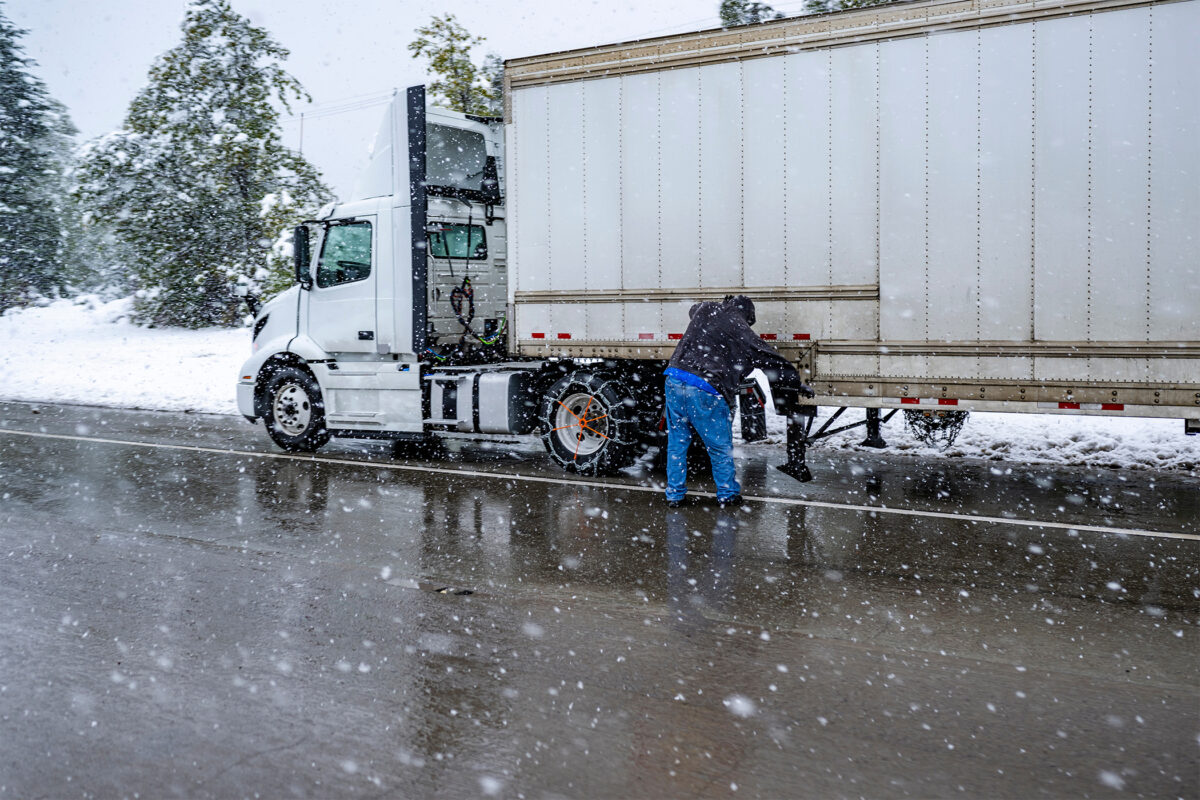
Adapting to the ever-changing weather conditions and road environments is a critical skill for long-haul truckers. Being prepared for adverse weather scenarios, such as snowstorms, heavy rain, or extreme heat, can help drivers make informed decisions about when to pull over, adjust driving speed, or take alternative routes. Being equipped with essential emergency supplies, including extra blankets, food, water, and a first-aid kit, is also important for handling unexpected situations.

HDS Truck Driving Institute in Tucson is a leader in trucking education for new and experienced drivers.

Long-haul trucking presents a unique set of challenges that require resilience, adaptability, and a proactive approach to safety and well-being on the road. By prioritizing safety, effective communication, thorough trip planning, maintaining connections with loved ones, embracing a healthy lifestyle, and being prepared for diverse road conditions, truckers can navigate the complexities of long-haul trucking and achieve success while ensuring a safe and fulfilling journey.

If you have any questions about long-haul trucking or any of our training programs, HDS Truck Driving Institute is here to help. Contact us today!